
Temporomandibular Joint Disorder (TMD/TMJ/Jaw Pain/Head Pain/Neck Pain)
How does your bite (or your occlusion) feel?
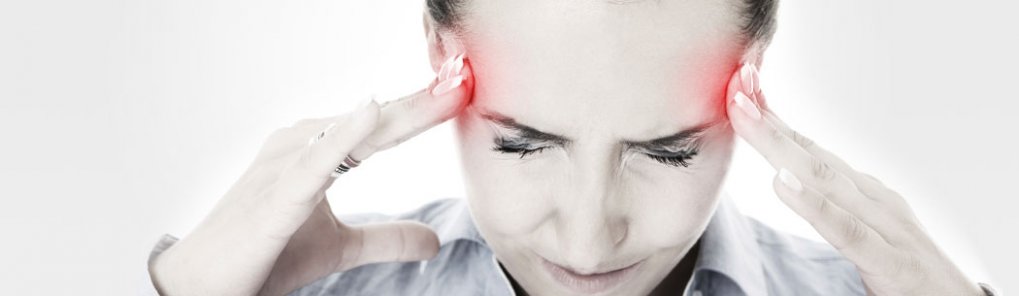
When someone asks you how it feels when you bite your teeth together, your response may be “fine.” But even if your teeth seem to fit together well, problems can develop if the muscles and joints are overworking. These problems may include:
- Headaches
- Migraines
- Stiff or Sore Neck Muscles
- Stiff or Sore Shoulders
- Sore Jaw Muscles
- Worn Down Teeth
- Loss of Attachment Around Teeth
- Sensitive or Painful Teeth
- Difficulty Opening Your Mouth
- Ringing in Your Ears
- Ear Congestion
- Loss of Hearing
- Dizziness
- Tingling in Your Fingers
- Clicking or Popping Jaw Joint
- Postural Problems
What is NMD?
Neuromuscular Dentistry (NMD) considers the entire system that controls the positioning and function of your jaw. It seeks to establish a jaw position based on a harmonious relationship between the three main factors affecting occlusion – the teeth, the muscles and the joints. The resulting jaw position is called the neuromuscular bite.
How is NMD performed?
The secret to a healthy, comfortable, and beautiful smile starts with a sound neuromuscular bite (occlusion).
NMD begins by relaxing the muscles around the jaw with the use of TENS (Transcutaneous Electrical Neural Stimulation). The TENS unit is a battery operated electrical muscle stimulator that delivers mild electrical stimulus to the muscles of the facial/jaw area, and possibly to the neck and shoulder area. This stimulation “exercises” these muscles and causes them to relax. The optimal bite position is determined by utilizing complex jaw tracking (K7) and EMG monitoring equipment to ensure a comfortable bite.
Learn more about the Neuromuscular Dentistry connection
.
[jwplayer config=”Page Embed with Playlist” playlistid=”965″]
Questions? Contact us at (250) 492-2608 or by email at info@smilestudio.ca and we’d be happy to answer them.

